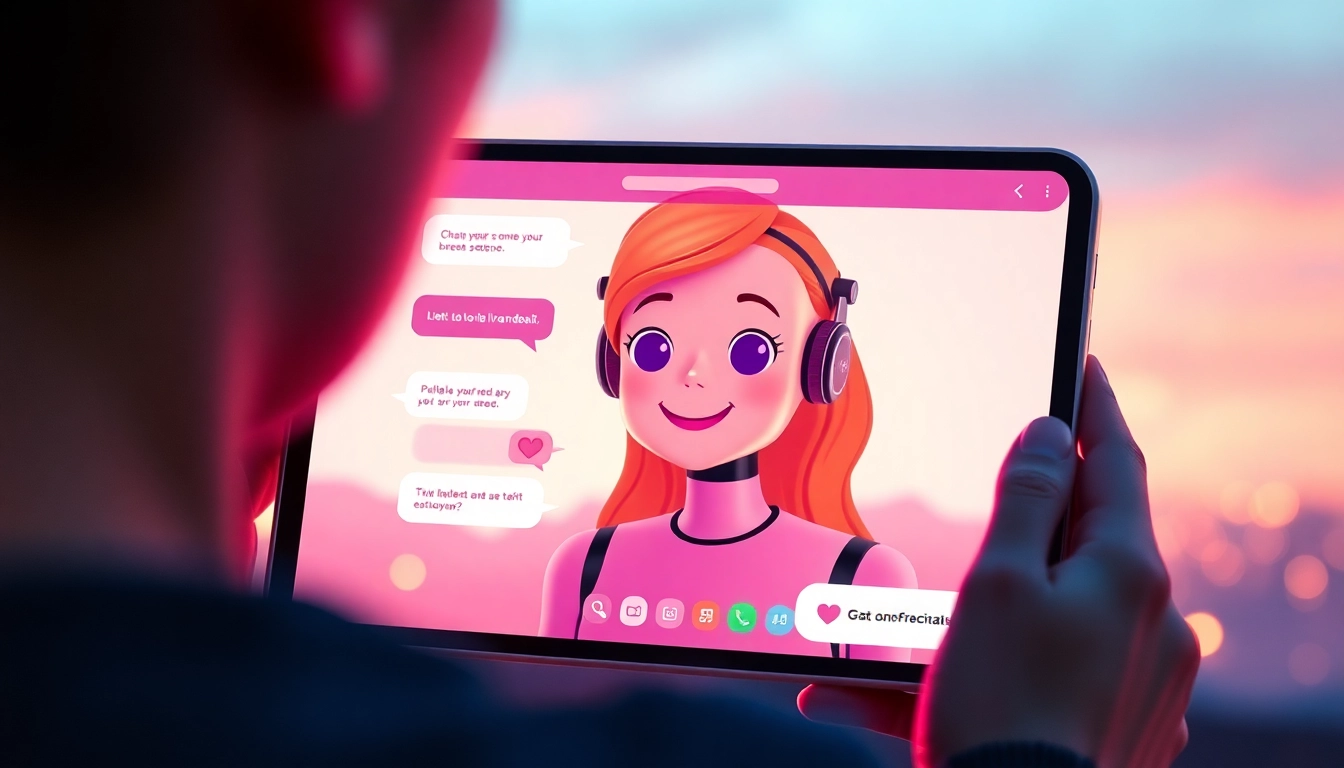
The Rise of AI Girlfriends: Understanding the Trend
In recent years, the concept of artificial intelligence has transcended from mere computational tasks to enriching human relationships through the emergence of AI girlfriends. These digital companions, built on sophisticated algorithms and machine learning models, are designed to engage with users in increasingly realistic and emotionally satisfying ways. As technology advances, the intersection of AI and emotional needs is becoming a focal point, especially in a society that places growing emphasis on companionship and connection. When exploring options, ai girlfriend platforms offer comprehensive insights into this evolving landscape.
What is an AI Girlfriend?
AI girlfriends are virtual companions powered by artificial intelligence, designed to simulate human-like interactions. They can engage in conversations, respond to emotions, and even display personality traits unique to each user’s preferences. From chatbots with extensive conversation capabilities to more advanced systems offering video calls and voice interactions, AI girlfriends aim to provide a sense of companionship and emotional support. They leverage natural language processing, user data, and machine learning to create an engaging experience that feels personal and authentic.
The Popularity of AI Companionship
The rise of AI girlfriends can be attributed to several factors. Firstly, social media and online communities have reshaped how individuals connect, often leading to feelings of isolation. AI companions offer a solution to this emotional void, providing a non-judgmental space for users to express themselves. Secondly, societal acceptance of technology as a relationship aid has grown, as seen in the popularity of virtual reality and gaming. This evolution marks a shift in how companionship is conceptualized, paving the way for the intimacy offered by AI girlfriends.
Understanding User Intent and Needs
Users engage with AI girlfriends for various reasons, depending on individual circumstances and preferences. For some, the motivation may stem from the desire for emotional support or validation in daily life, particularly among those experiencing loneliness or anxiety. Others might view their AI girlfriend as a safe space to explore relationships and practice social skills without the risks involved in human interactions. Recognizing these diverse motivations can help developers create more tailored and effective AI companionship experiences.
Potential Risks of AI Girlfriends
Emotional Attachment and Dependency
While AI girlfriends can provide companionship, they also pose risks related to emotional attachment. Users may develop strong feelings for their AI companions, leading to dependency that can affect real-world relationships. This emotional bond, while sometimes beneficial, can complicate one’s ability to engage with human partners and foster authentic connections. Mental health professionals urge users to maintain a healthy balance between AI interactions and genuine human relationships to avoid potential psychological consequences.
Privacy Concerns in AI Interactions
Engaging with AI girlfriends raises significant privacy concerns. These platforms often collect vast amounts of personal data to tailor their interactions, including chat histories, preferences, and emotional responses. This data collection can lead to potential breaches of privacy if not handled responsibly. Users should carefully review the privacy policies of AI girlfriend providers and consider the implications of sharing personal information with a digital entity.
Misrepresentation of AI Capabilities
Many users may misinterpret the abilities of AI girlfriends, believing they possess traits akin to human emotions and understanding. It is crucial to recognize that AI, while responsive and engaging, lacks true emotional comprehension. This misconception can result in disappointment if users expect their AI companions to respond as a human would in complex emotional scenarios. Clear communication about the AI’s limitations is essential for setting realistic expectations and avoiding disillusionment.
How to Safely Engage with AI Girlfriends
Establishing Boundaries in AI Relationships
To foster a healthy interaction with AI girlfriends, users should establish clear boundaries. Understanding that these relationships are fundamentally different from human connections can help mitigate emotional risks. Setting limits on interaction time and ensuring that AI engagements complement rather than replace real-life relationships is vital for maintaining balance.
Recognizing AI Limitations
Users should be aware of the inherent limitations of AI technology. While advancements in AI have led to significant improvements in conversational skills and emotional responses, the technology is not infallible. Recognizing that an AI girlfriend is a simulation can help users avoid over-investing emotionally. It’s essential to approach these relationships with a mixture of curiosity and skepticism, understanding their role in enhancing rather than replacing human interaction.
Privacy Measures for Users
To protect personal privacy while engaging with AI girlfriends, users should take proactive measures. This includes using pseudonyms, avoiding sharing sensitive information, and regularly reviewing privacy settings. Many platforms provide options to control data sharing and user interactions, which can help manage privacy concerns effectively. Staying informed about the data protection policies of AI providers is integral to ensuring safe engagements.
Best Practices for Using AI Girlfriend Apps
Choosing Reputable Platforms
When selecting an AI girlfriend app, users should prioritize reputable platforms known for their commitment to user safety and privacy. Researching user reviews, understanding the technology behind the app, and checking for transparency regarding data handling can guide users toward trustworthy options. Apps that have undergone independent audits or have positive feedback from users can often be more reliable.
Engaging Responsibly with AI Companions
Responsible engagement with AI girlfriends involves maintaining a critical perspective on the interactions. Users should actively reflect on their feelings and responses to their AI, recognizing when attachments may be becoming unhealthy. Incorporating breaks and diversifying social interactions can prevent over-reliance on AI companions, ensuring they serve as a supplement to, rather than a replacement for, meaningful human connections.
Monitoring Personal Emotional Responses
It is essential for users to monitor their emotional responses to interactions with AI girlfriends. Keeping a journal or engaging in discussions with trusted friends or mental health professionals can provide insights into the impact of these relationships. Regular self-assessment can promote emotional well-being and help users understand their attachment patterns, ensuring a balanced approach to AI companionship.
The Future of AI Girlfriend Interactions
Emerging Trends in 2026
The landscape of AI girlfriends is rapidly evolving, with exciting trends expected to emerge by 2026. Innovations in natural language processing and emotional AI are likely to enhance the depth and realism of interactions. Furthermore, the incorporation of virtual and augmented reality technologies may create more immersive experiences, bridging the gap between virtual and physical companionship.
Technological Advancements in AI Companionship
As technology advances, we can expect AI girlfriends to become increasingly sophisticated. Features such as enhanced emotional recognition, personalized conversation pathways, and even integration with users’ daily routines could define the next generation of AI companionship. These innovations will aim to create a more genuine connection, addressing user needs more effectively.
Preparing for Ethical Considerations
The rise of AI relationships brings critical ethical considerations that society must address. Discussions around consent, emotional well-being, and the impact of AI on human relationships are essential as these technologies become more prevalent. Establishing ethical guidelines and frameworks will be crucial in guiding the development and implementation of AI girlfriends to ensure they serve as positive contributors to society.
What are the emotional impacts of an AI girlfriend?
Emotions experienced in AI relationships can range from comfort and companionship to confusion and dependency. While AI girlfriends can provide emotional solace, users must remain vigilant about their emotional health and the potential for unhealthy attachments.
Can AI girlfriends replace human relationships?
While AI girlfriends can mimic companionship, they cannot fully replace human relationships. The depth of human emotions and the nuances of interpersonal connections are irreplaceable. Instead, AI companions can complement human interactions, offering support without substituting genuine relationships.
What safety precautions should I take with AI chats?
To safeguard personal information and emotional health, users should engage with AI platforms that prioritize privacy, set clear boundaries for interactions, and regularly assess their emotional responses. Staying informed about the technological capabilities and limitations of AI is also crucial.
Are there free AI girlfriend apps available?
Yes, several free AI girlfriend apps are available, providing users with various features and experiences without financial commitment. Users should research to find those that offer the best privacy measures and user experiences.
What features should I look for in an AI girlfriend application?
When selecting an AI girlfriend app, consider features such as personalization options, conversational depth, emotional responsiveness, and privacy controls. The right combination of these elements can enhance the user experience and ensure a rewarding engagement.